Clean The Stadium Flame, Power, Fuel & Auto Burn
Spend order for Clean The Stadium upgrades so every purchase raises seats cleaned per minute.
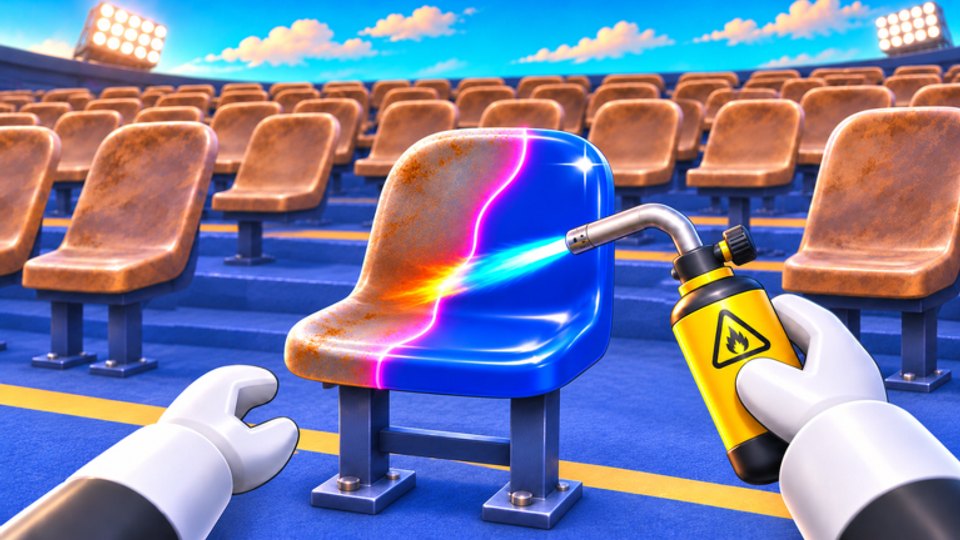
Upgrades are how Clean The Stadium turns a cute Lighter into a stadium-clearing machine. Tools get the spotlight, but flame, power, fuel, and Auto Burn decide whether those tools feel amazing or exhausting. This guide explains each axis, suggested priority, and how upgrades interact with drones and co-op.
Pair it with the Tier List Hub and Earn Cash Fast. New players should still finish Getting Started before min-maxing.
The four upgrade pillars
Flame
Flame upgrades intensify how your burner affects dirty seats. Higher flame generally means less time lingering on each seat and better payoff from premium tools like the Torch Gun and Flamethrower. Investing here feels best right after a tool upgrade, when you want the new toy to flex.
Power
Power supports clear strength and how assertively seats yield. Think of power as the twin sibling of flame: both push throughput. If flame levels ran ahead while power lagged (or the reverse), your burns can feel oddly inconsistent. Keep them in the same neighborhood unless a patch clearly favors one (check Updates after retunes—we will not invent percentages).
Fuel
Fuel is the unsung hero. Big tools without fuel upgrades create the worst Clean The Stadium feeling: sprinting a beautiful Flamethrower strip, then standing dry while friends pass you. Prioritize fuel whenever downtime appears more than once per strip. Mobile players especially benefit because refuel micromanagement fights touch controls.
Auto Burn
Auto Burn is quality-of-life and rate at once. It reduces repetitive input so you can steer, call co-op lanes, and watch drone coverage. On the tier list it sits in S for a reason. Buy it when your cash flow can handle the sticker without returning you to Lighter poverty.
Suggested priority frameworks
There is no single universal order for every wallet, but these frameworks work in late November 2026 play:
Framework A — Tool first
- Save for Torch Gun
- Add fuel until strips rarely dry out
- Split the next cash between flame and power
- Unlock Auto Burn
- Push Flamethrower, then rinse upgrade cycles
- Layer drones when automation gaps remain
Framework B — Comfort first (great on mobile)
- Modest fuel on the Lighter so learning is not miserable
- Torch Gun
- Auto Burn earlier than usual
- Flame/power catch-up
- Flamethrower + drones
Framework C — Co-op specialist
- Party agrees who rushes Auto Burn vs who rushes Flamethrower
- Fuel stays communal priority—nobody carries a dry lane
- Drone buyer is a dedicated role (Players Hub)
How upgrades interact with tools
| Tool | Upgrade note |
|---|---|
| Lighter | Light fuel + tiny flame/power; do not sink a fortune here |
| Torch Gun | Sweet spot for balanced flame/power/fuel before Auto Burn |
| Flamethrower | Demands serious fuel; flame/power investments finally look elite |
Upgrading only flame on a Lighter to “make it usable forever” is usually a trap. The tool ladder exists for a reason.
Auto Burn decision checklist
Buy Auto Burn when most of these are true:
- You already escape pure Lighter gameplay
- Your hands/camera feel tired before your cash goals end
- You play co-op and need brain space for calls
- You can still afford fuel after the purchase
Delay Auto Burn when:
- One more tool tier is one short grind away
- You are saving a curated drone purchase that covers more seats than your hands do
- You have not redeemed
RELEASEyet and are about to Shop—grab the code first (How to Redeem)
Quests, dailies, and upgrade funding
Daily rewards and quests soften upgrade prices by adding progression on days you cannot play long. Complete the easy ones at session start, then return to strips. Do not derail a stadium restore for a low-value quest right before Match Day.
Trophies from codes support the same psychological runway: you feel permitted to spend cash on power instead of hoarding forever.
Mistakes to avoid
- Maxing one bar to vanity levels while fuel sits near zero
- Buying Auto Burn, then forgetting to feed flame/power so automation ticks weakly
- Ignoring patches that might retune costs after the 15 November 2026 launch wave
- Letting four friends all dump into identical upgrades with no lane plan
- Trusting random “best upgrade path” scripts that are not even confirmed for this game (Scripts Hub)
Practice drill
Run the same seat strip three times:
- Baseline tool, current upgrades — note time
- After one fuel purchase — note time and dry-outs
- After a flame/power pair or Auto Burn — note time and fatigue
If time barely moved, you bought the wrong node for your bottleneck. That experiment beats copying a stranger’s screenshot build.
Related pages
- Drones — automation that sits beside Auto Burn
- Earn Cash Fast — funding the next node
- Tier List Hub — S/A/B summary
- Guides Hub — full list
- Updates Hub — when priorities might shift
Upgrade like an engineer: fix the bottleneck you felt on the last strip, not the bar that looks coolest in the Shop.
Frequently Asked Questions
Quick answers about Clean The Stadium codes, tools, upgrades, and co-op.
What upgrade should I buy first?
Usually enough fuel to stop dry-outs, then balanced flame/power after a tool upgrade. Auto Burn when cash flow allows.
Is Auto Burn worth it?
Yes for most players—it is S-tier quality-of-life and clear consistency, especially on mobile or in co-op.
Should I max flame before power?
Keep them close unless a future patch clearly skews one. Extreme imbalance often feels worse than modest paired levels.
Do upgrades matter on the Lighter?
Only lightly. Put serious cash into upgrades after the Torch Gun unless fuel misery blocks learning.
How do upgrades work with drones?
Drones cover seats while upgrades make your personal tool stronger. Buy both over time—see Drones.